

Finding the right therapist can feel overwhelming. You may be comparing websites, reading clinician bios, asking for recommendations, looking at treatment approaches and, naturally, checking online reviews. Reviews can be helpful, but when it comes to mental health care, they don't always tell the whole story. Therapy is different from many other services. It involves privacy, vulnerability, professional boundaries, and a unique relationship between a therapist and client. Because of this, there are some important things to consider when using reviews to choose a therapist. Reviews aren't necessarily a measure of clinical quality A five star rating may tell you that someone had a positive experience, but it doesn't necessarily tell you: whether the clinician has specific training in the concern you are seeking support for whether they use evidence based treatment whether their approach is a good fit for you whether the reviewer sought treatment for the same concern whether your experience or outcome will be similar Every person comes to therapy with different experiences, goals, and needs. A therapist who is a great fit for one person may not be the right fit for another. Reviews can still be useful. They are simply one piece of information among many . Reviews in mental health care are different One important consideration is the power dynamic within therapy . Clients often share deeply personal and vulnerable information with their therapist. Even when a therapist makes it clear that leaving a review is optional, a client may still feel a sense of pressure or obligation. They might wonder, “Will my therapist be disappointed if I don't leave one?” or “Should I do this because they helped me?” As therapists, we don't want clients to feel responsible for promoting our practice or believe that providing a testimonial is part of the therapeutic relationship. There are also privacy and confidentiality considerations . Leaving a public review may identify someone as having received mental health treatment. Some people may be comfortable sharing this, while others understandably prefer to keep their participation in therapy private. Mental health professionals also have professional and ethical considerations around how client testimonials and reviews are requested or used. This makes reviews in mental health care a little more complicated than reviews for many other services. What if someone genuinely wants to share their experience? Clients may independently choose to share their experience in whatever way feels comfortable. They may recommend a therapist to a friend or family member, tell another healthcare professional about their experience, provide feedback directly to the clinic, or choose to leave a public review. What matters is that sharing an experience should always be a personal choice , rather than something a client feels expected or obligated to do. What should you look for when choosing a therapist? Reviews can be part of your search, but there are other factors that may tell you more about whether a therapist is equipped to help you. 1. Look at their training and experience Consider the clinician's education, professional registration, additional training, and clinical experience. If you are seeking help for a specific concern, look beyond whether it simply appears on a list of conditions they treat. For example, when seeking OCD treatment, you may want a clinician with specific training and experience in OCD and an understanding of the many ways it can present. 2. Look at how they treat the concern A therapist should be able to explain how they approach the concern you are seeking help for. For OCD, for example, Exposure and Response Prevention (ERP) is an evidence based treatment approach. Look beyond a long list of therapy modalities and consider whether the clinician can explain how treatment works and what you can expect . 3. Look for transparency A clinic's website can tell you a lot. Can you understand who they work with, the services they provide, their clinicians' qualifications, what treatment may involve, and their fees? It is also helpful when a clinic is clear about the limits of its services and when another provider or level of care may be more appropriate. 4. Ask questions You are allowed to ask questions before choosing a therapist. Consider asking about their experience treating your concern, the treatment approach they recommend, what sessions may look like, how frequently you may meet, and what happens if another type of support is more appropriate. A knowledgeable clinician should be able to explain their approach in a way that makes sense to you. 5. Consider a consultation If a clinic offers a consultation, it can be a helpful opportunity to learn more before deciding whether to move forward. At OCD Wellness, we offer a complimentary 15 minute consultation where prospective clients can ask questions, learn about our treatment approaches, and determine whether our services may be a good fit. Pay attention to the interaction itself. Do you feel listened to? Are your questions answered clearly? Does the clinician seem knowledgeable about your concern? Do you feel comfortable asking questions without feeling pressured to book? Recommendations from other professionals can be valuable too Online reviews aren't the only way to learn about a therapist. A family doctor, psychiatrist, therapist, or other healthcare professional may be familiar with clinicians who specialize in the area where you are seeking support. Professional recommendations can be particularly helpful when looking for specialized mental health treatment. Look at the bigger picture There is no perfect way to choose a therapist, and no single rating can guarantee that someone will be the right fit. Reviews can be part of your decision, but also consider a clinician's training and experience, treatment approach, transparency, ability to answer your questions, and how you feel when speaking with them. And if you have had a positive experience with a therapist, how you choose to share it is entirely up to you. Tell your therapist directly. Recommend them to someone you know. Share their name with another professional. Or, if you feel comfortable, leave a public review. Your experience is yours to share, and it should always be your choice.

Understand the value of early intervention for OCD. Seek compassionate support today to improve your mental health.

Learn how OCD Wellness provides effective OCD treatment through ERP. Start your journey to healing today!

Understand OCD beyond cleanliness & perfectionism. Explore its complexities & get support through our wellness therapy.
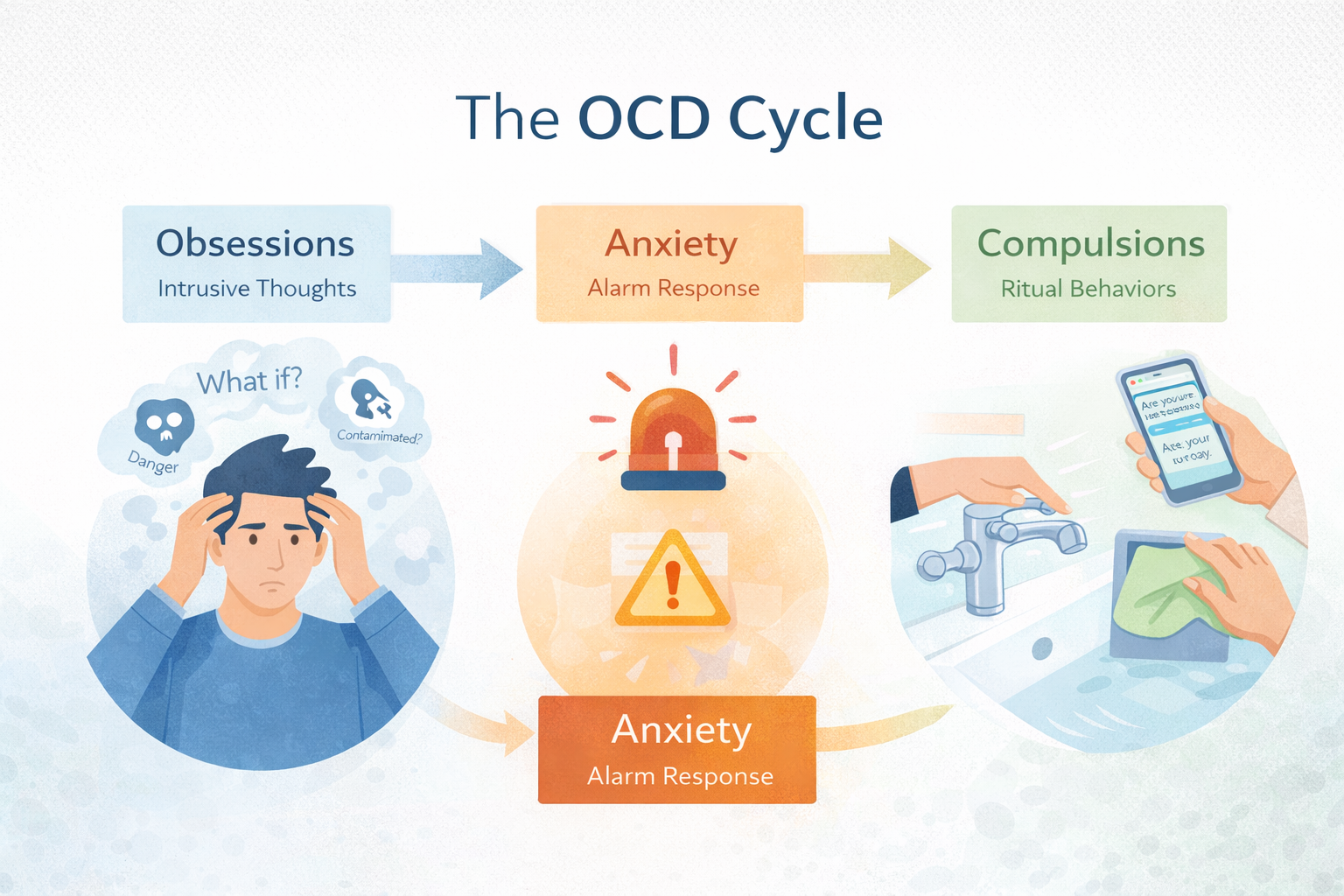
Understand OCD's cycle of obsessions & compulsions. Learn how ERP can help break the loop. Contact us for support!

Learn about OCD, compulsions, & how ERP helps manage anxiety. Start your journey to wellness today!

OCD Wellness offers specialized, evidence-based care for OCD. Contact us to start your journey towards wellness today!
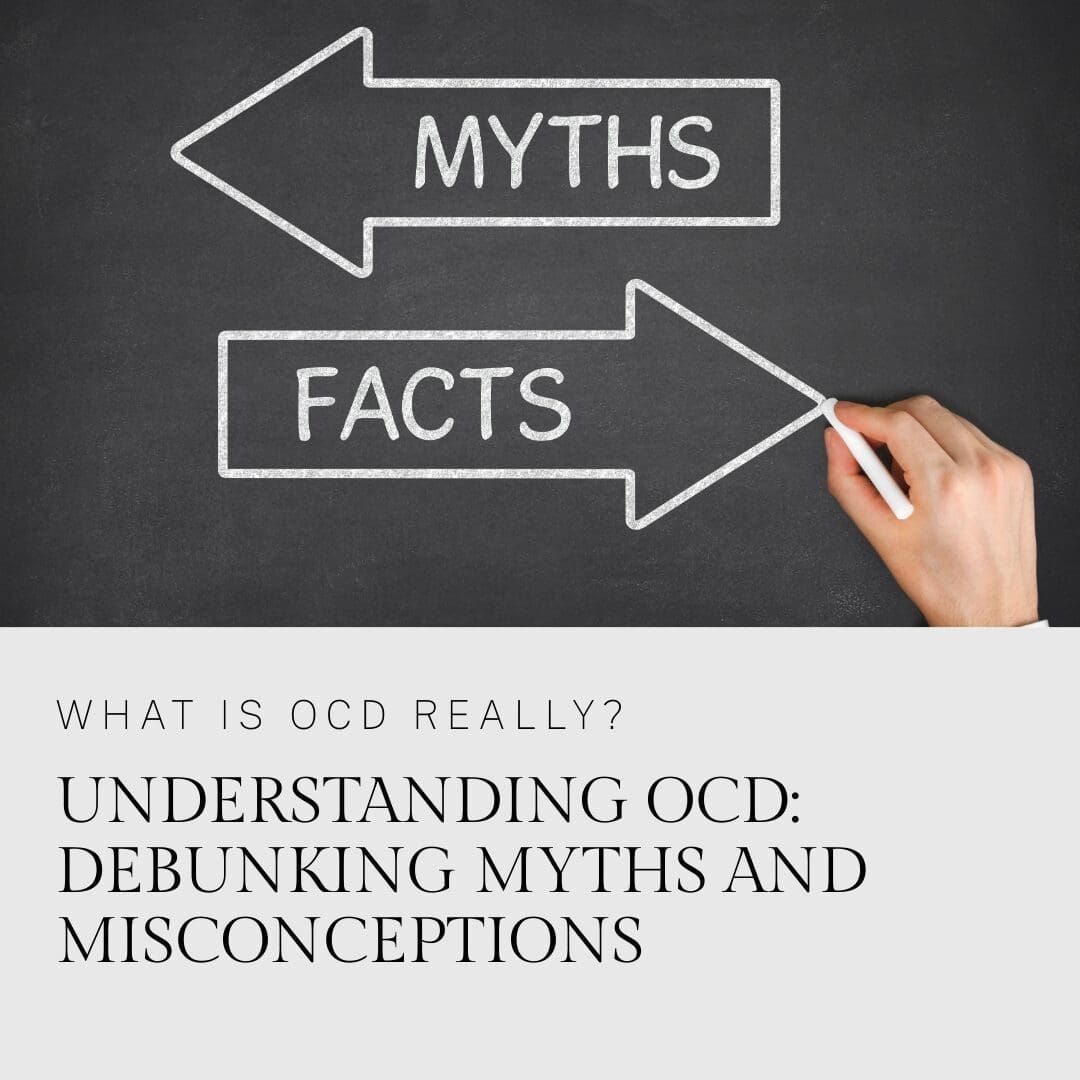
Understand OCD myths & realities. Discover effective treatments like ERP & CBT. Seek help for a better quality of life.

Access expert insights on OCD, tics, & anxiety. Join our supportive community for evidence-based strategies to enhance your mental health.

Understand Relationship OCD & learn effective treatments. Seek support for healing today!